
Help kids learn social skills through play with:
Small group activities, PerfecT for...
schools
social Groups
homeschool groups
playdates
Simple, intentional play ideas to encourage connections in families.
Play isn’t the enemy of learning, it’s learning’s partner. Play is like fertilizer for brain growth. It’s crazy not to use it.
Encourage Play, LLC was founded in 2013 by Janine Halloran. Janine is a Licensed Mental Health Counselor from Massachusetts with over 15 years of experience working with children, adolescents and their families in a variety of settings. Learn more about the story behind Encourage Play and Janine here.
From the Blog
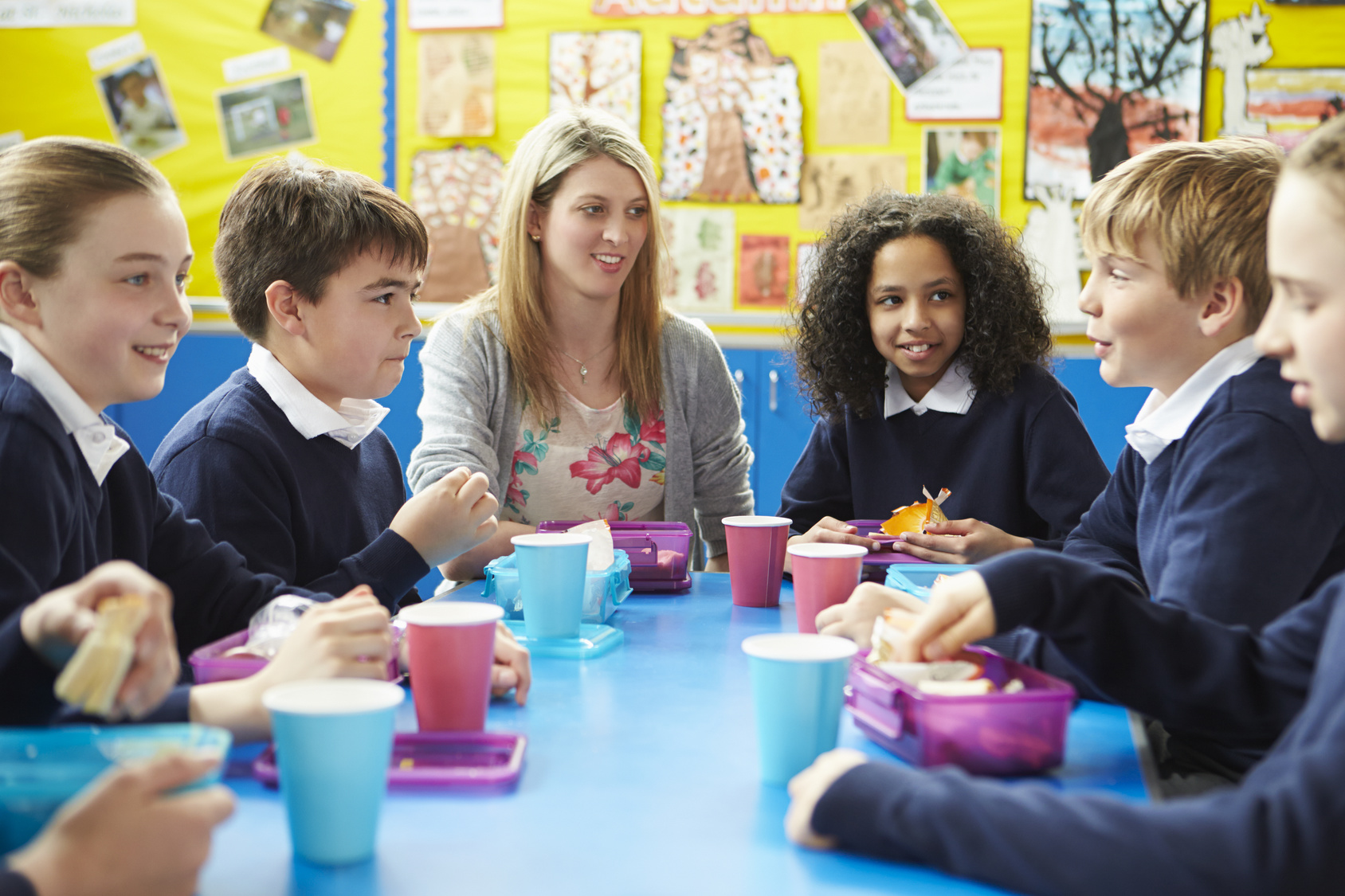
When I think back to my time as a school counselor, my best memories are laughter and connection during lunch groups. Lunch groups are a great way to get to know a lot of students throughout the year. It’s also an excellent way for children to meet new peers and potentially make new friends. What I thought was the best part was the natural opportunity to practice conversations. The way I would encourage conversations is by using a question box. Please take a listen to hear what social skills we practiced in lunch groups using this simple technique.Last year, I did a whole series of perspective taking on the Calm & Connected Podcast, but I wanted to revisit the topic and discuss two other ways I like to explore perspective-taking with kids. Why do I keep talking about this topic? It’s a building block for empathy, a skill we all want to build in our kids. For two more ways to work on perspective-taking using art and poetry, listen to the podcast:
Last year, I did a whole series of perspective taking on the Calm & Connected Podcast, but I wanted to revisit the topic and discuss two other ways I like to explore perspective-taking with kids. Why do I keep talking about this topic? It’s a building block for empathy, a skill we all want to build in our kids. For two more ways to work on perspective-taking using art and poetry, listen to the podcast:
A social distancing summer looks super different, right? Back in January, I had major plans to go to museums and take day trips with my kids. Most of that has gone out of the window.
What are we doing instead? Instead, we're choosing to explore outdoor spots that are new to us and close by. Last week, we went on a hike to a place we'd never been before, and they were limiting how many people were going in, so that felt safe in terms of our ability to keep the appropriate social distance.
I wanted to hear ideas from others with unique ways to keep kids busy this summer, and I got a ton of responses. I highlight six in the podcast episode, but to read a compilation of some fantastic ideas, take a look below!
We create more kindness by being kind.
-Katie Hurley
In this podcast, I talk about how I got inspired to record this after reading a post on Katie Hurley’s Facebook wall. I also talk about how kindness is related to friendship and social skills, and I give a few ideas to help get you started in doing some kind acts, wherever you are. Take a listen!
Staying in touch and talking with others can increase our joy and lessen our sorrow. This time in our lives is challenging, and continuing to give and get support from friends and family is a way to cope with all the stress we feel. In this podcast episode, I discuss some ideas for keeping in touch with one another even when we’re physically apart. There are lots of ways to stay connected even when we can’t share the same space. Take a listen!
On today’s podcast, I quickly re-visit one of my favorite ways to help kids see the impact their words can have on others. Then I talk about two more ways to help kids & teens understand the impact their words can have on other people. I
Sometimes kids need a little practice on working together as a group. In this episode of the podcast, I discuss three different activities you can do to create some teachable moments around working together in groups. Take a listen and get playing!
I love using group settings with kids to work on social skills because it can be a microcosm of the playground, recess, or other social situations. In the podcast, you’ll hear how I like to structure groups to be effective, and that I love messy groups!
Inside: An incredible collection of play ideas for families during times when they need to stay at home. Also, why play helps at this time, and how we can view this as an opportunity to re-connect .
Usually, as families, we have busy schedules, and people are often going to sports practice or games, lessons, or after school activities. Because of the coronavirus and social distancing, things are getting canceled everywhere. This is a stressful time, and things seem to be changing day-to-day. Overall, what this means is that families are going to be spending a lot more time at home.
Open-ended play is incredible - it cultivates imagination, thinking differently, and encourages creativity. To promote open-ended play, we should offer toys that can be played with in multiple ways.
Puzzles are one way my family and I love to play. I also use them at times in individual and group therapy. Puzzles are fun, but they also work on skills like organization, patience, perseverance and working together. Take a listen to how doing puzzles can help you playfully practice executive functioning skills and social skills.
Recently I watched the documentary Won’t You Be My Neighbor all about Mr. Rogers. I enjoy documentaries and like to watch them at night as part of my evening routines. I started to watch this one evening, and within the first few minutes, they had already talked about emotional regulation and social skills. I decided to stop and watch it during the day when I could write things down.. When I watched the documentary, I took a ton of notes, and I wanted to share some of my favorite quotes and insights I gained from watching. Take a listen!
What is perspective taking? It’s the ability to take another person’s point of view. This is a building block towards empathy. There are lots of different teachable moments that can happen in day to day life where you can talk about different perspectives people have on the same situation. There are also several games and activities you can play with children and teens to help them practice the art of walking in someone else’s shoes.