Social Play

Inside: An incredible collection of play ideas for families during times when they need to stay at home. Also, why play helps at this time, and how we can view this as an opportunity to re-connect .
Usually, as families, we have busy schedules, and people are often going to sports practice or games, lessons, or after school activities. Because of the coronavirus and social distancing, things are getting canceled everywhere. This is a stressful time, and things seem to be changing day-to-day. Overall, what this means is that families are going to be spending a lot more time at home.

The play date has been getting some negative press, with people listing all the things they don’t like about them. There are pros and cons to everything, so I decided to explain why I appreciate play dates.
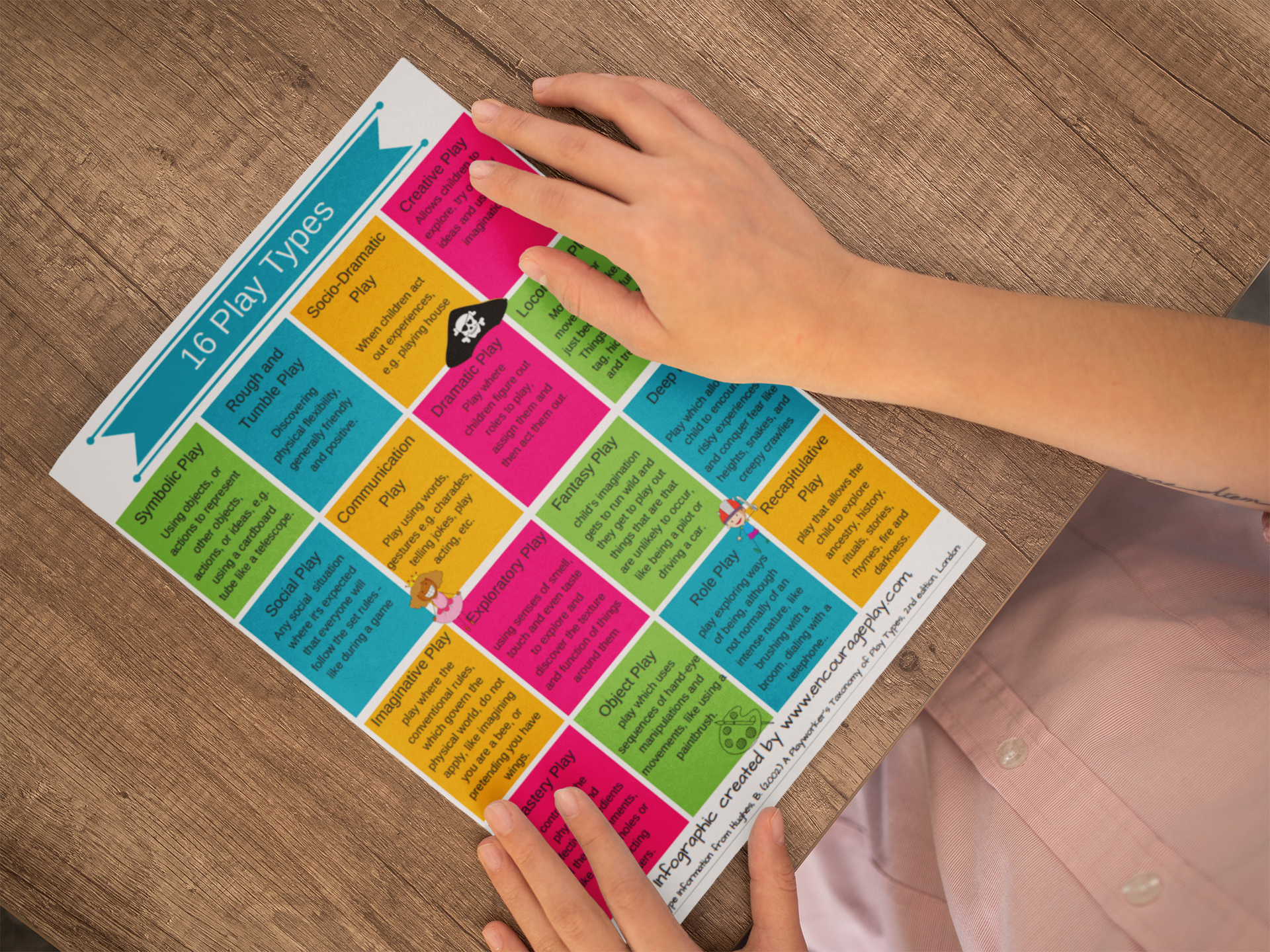
Inside: Definition of 16 play types from Bob Hughes and ideas for play materials to encourage variety in the way children play.
Definition of play:
“Engage in activity for enjoyment and recreation rather than a serious or practical purpose.”

Inside: a list of social skills, both external (interacting with others) and internal (your inner thoughts & feelings) with playful ways to practice them.
Recently I went to a symposium on play where Stuart Brown, author of Play: How it Shapes the Mind, Opens the Imagination and Invigorates the Soul, was speaking. I took off my mom yoga pants and put on real ones, drove to the symposium and sat down at a table. I pretended that I'm not an introvert and started talking to my neighbor. After I gave her my 30 second description of Encourage Play, she said “that sounds great but what does that really mean?”
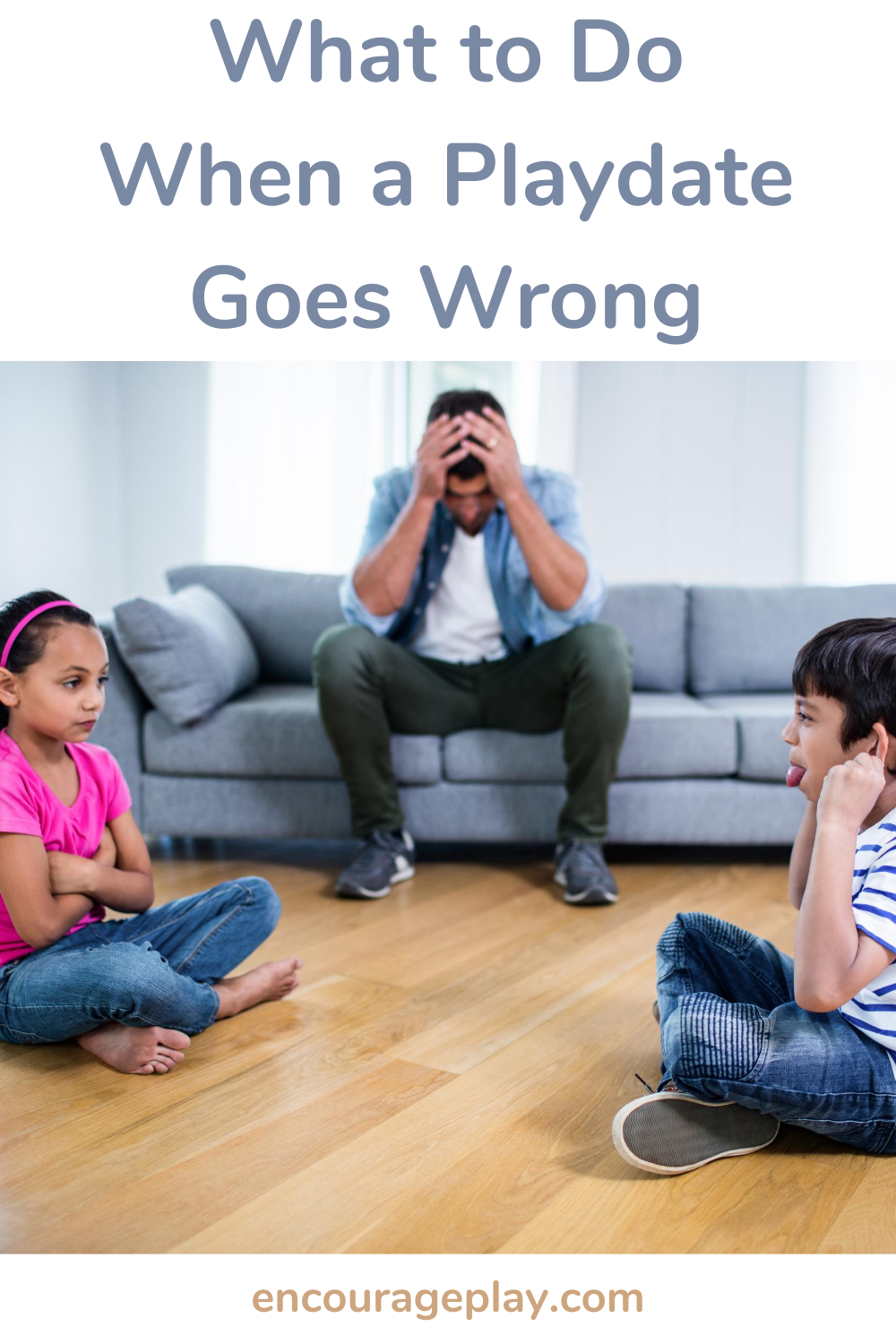
You’ve taken the time to set up a playdate. You found a potential friend, you invited them to play at your house or at a playground and things are going really well. Then, something unexpected happens. Maybe it’s an argument, yelling, or even hitting (eek!!). What do you do?

It’s that time of year when people start thinking about gifts to buy. I really love the idea of getting and giving games, especially those that can be played on a playdate with just two kids. Last year, I wrote a post where I listed five games that would be ideal to play on a small playdate, which is perfect for kids who are working on their social skills. Here are 5 MORE games that would be great to have on hand for a small playdate. They’re also great games for families too. You can practice and play together and have fun!
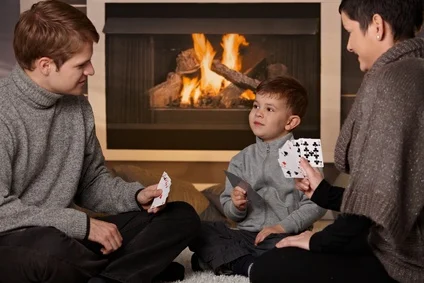
I’m a big proponent of having a family game night. I’ve even written two posts about great games for families - one focused on elementary school and one focused on preschool. But you might be wondering how game night can benefit your kids. It’s a great weekly habit that can promote a lot of positive behavioral growth. Here are four reasons to fit it into your weekly schedule.

Spending time together as a family is such an important thing to do, especially in this day and age when family time can be so limited and fractured. It’s a great way for families to connect, to get to know one another and for adults to model good social skills for the kids. Kids who have a hard time connecting socially benefit from learning how to play games, how to set them up and how to manage winning and losing in a gracious way. Our family loves to play games whenever we get a chance (which is almost daily), and we’re really enjoying them, so I thought it would be a good idea to blog about 5 more family games. I wrote this blog post a few months ago about family games for older kids, these games are aimed at preschool and early elementary school aged children.

Here are five strategies you can use to help set the stage for an enjoyable play experience:
1. Incorporate different types of play.
A child who plays well is comfortable with many forms of play. Some categories of play include gross motor, fine motor, pretend play, construction, sensory, etc. Gross motor activities include tag, obstacles courses and races. Activities like rainbow loom or stringing beads are more fine motor play. Some popular themes of pretend play include restaurant, school and space. Construction can be out of all kinds of different materials like blocks, play doh, or even recycling. Sensory can be using sand, rice or beans. Exposure to different types of play leads to valuable experiences.
I love watching videos about the importance of play and how it affects children and adults. Play is so wonderful, and it’s how we learn. Check out my five favorite videos about play here.