
Problem Solving
Problem solving is an important skill to have to manage small everyday issues and bigger life concerns. Kids face probelms all the time, but sometimes they get stuck and don’t know how to figure out what to do to solve it. A kid could have forgotten their lunch money, and not know what to do next. Or a kid could get into an argument with another kids over a game at recess. Practicing this skill now will help later when they are faced with bigger decisions as they move into adulthood.

Throughout your life growing up, have you ever come up against a problem you just couldn’t solve? We learn very valuable skills at school but we don’t learn every single skill needed for everyday life so in this episode, I teach you some hands-on ways to practice problem solving with your child.
The topics I cover in this episode are:
In this episode, I discuss some ways you can practice problem solving using creative prompts. As we all know, social skills are key to interacting well with others - skills such as listening, working together, being kind, watching your own personal space versus others personal space and taking turns. They all need to be learned in childhood to have a successful and fulfilling adult life.

Play advocates often talk about the importance of open ended play, open ended play materials and having play be child led instead of adult led. There is a popular theory called Loose Parts was developed by Simon Nicholson in 1971.

What are your kids doing this Summer? For many of us Summer time with the kids is a time to enjoy the outdoors, the sunshine and if you're lucky the ocean.
As much as kids love Summer holidays, keeping them busy can be a real chore! Activities in nature, especially when done socially with their friends, family or teachers, don’t just keep restless kids busy or entertained. They also offer great developmental benefits that will help them academically and socially.

Inside: a list of social skills, both external (interacting with others) and internal (your inner thoughts & feelings) with playful ways to practice them.
Recently I went to a symposium on play where Stuart Brown, author of Play: How it Shapes the Mind, Opens the Imagination and Invigorates the Soul, was speaking. I took off my mom yoga pants and put on real ones, drove to the symposium and sat down at a table. I pretended that I'm not an introvert and started talking to my neighbor. After I gave her my 30 second description of Encourage Play, she said “that sounds great but what does that really mean?”

Inside: An interview with Missy Benson from Playworld, talking about the importance of outdoor play and inclusive play, and the new PlayForm 7 in the Boston area.
“Oh. my. Goodness!!!” my daughter shrieked with excitement. My son’s eyes widened and he took off running toward the playful chaos of the playground.
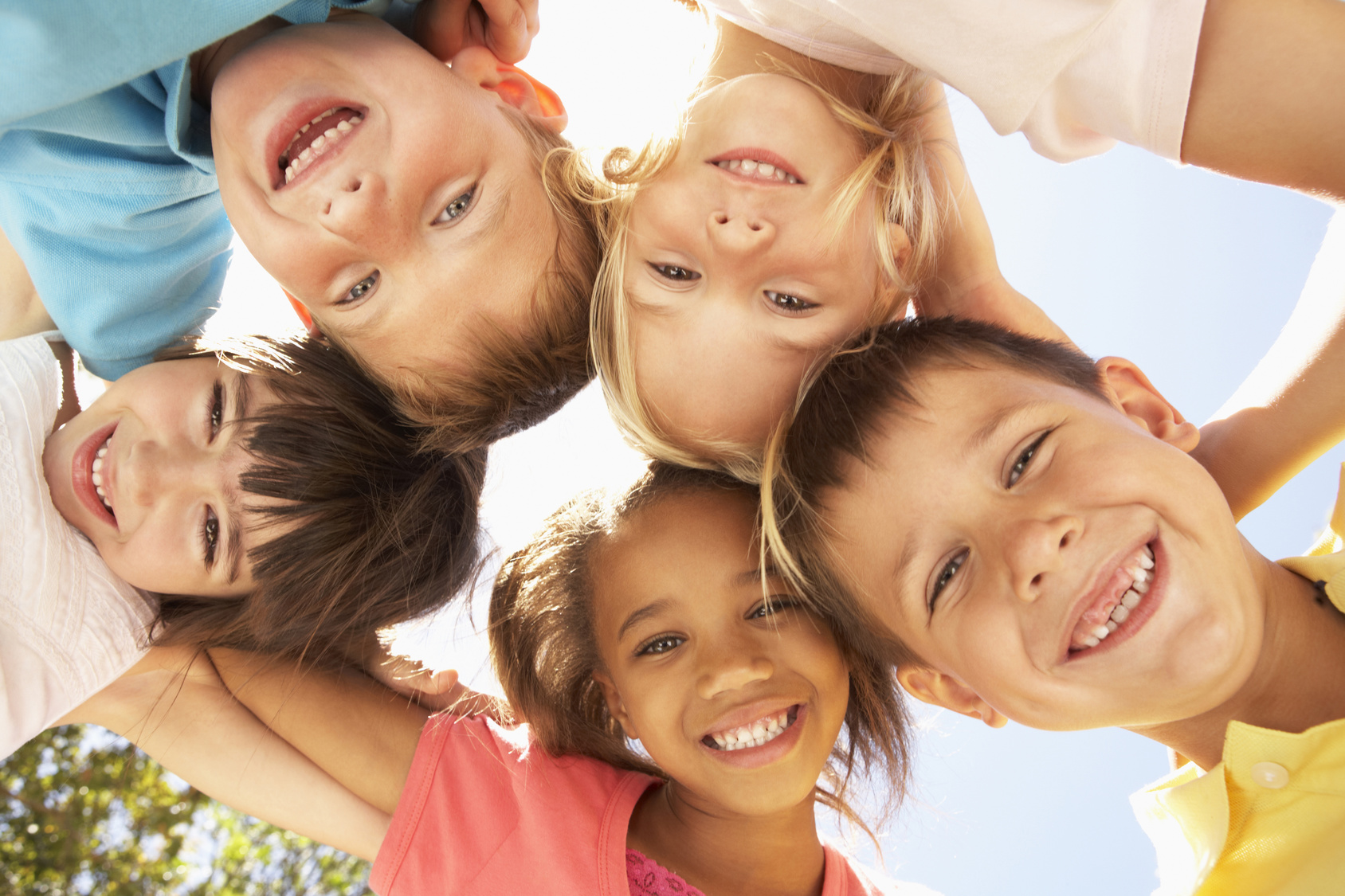
Inside: 10 fun and enjoyable social skills group activities designed to help kids learn through play. Perfect for social skills group centers or for groups at school.
What kid has ever wanted to attend a social skills group? I’ve never heard a kid say “Yes, please sign me up for a group where you point out how awkward I am and then make me talk about it.”

Imagine a group of 4 kids, ranging from 9 - 14, working together, cooperating and solving some unusual and silly problems together. They were smiling, and proud of what they created.

“Mommy, you be a cop and we’ll be the robbers! We’re running away and taking your money!”
Lately, my kids have been playing cops and robbers. They’re always looking for new items to “steal”, and then they run to their robber’s fort (aka under our dining room table). My husband and I are the cops. We look for clues to track the robbers, and then we usually have a little exchange ---

When my son was little, he loved making granola bars. I have vivid memories of adding ingredients to the bowl, and allowing him to stir. The ingredients would fly EVERYWHERE, on the table, on the chairs and the floor. Even though it would always be super messy, I wanted to make sure that I cooked with them.